 8.7
vs Indiana Jones and the Great Circle
Two 16-hour stealth adventures at the same price — one wants Hitman patience, the other wants Indy nostalgia and a Game Pass sub.
Head to head
Trying to choose between two games? These side-by-side guides break down what is different, who each one is for, and which to pick right now. 262 matchups across 103 games — jump to any game below.
8.7 Two 16-hour stealth adventures at the same price — one wants Hitman patience, the other wants Indy nostalgia and a Game Pass sub.
 7.4
Bond's gadget-driven stealth versus Mafia's linear Sicilian crime saga — both are short, linear stories, but only one asks you to think before you shoot.
 8.5
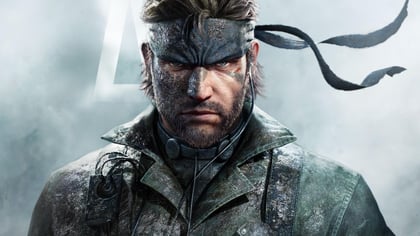
Bond origin story versus Snake Eater remake — both ask for patience, but only one asks you to pay full price for a stutter-prone nostalgia trip.
 8.3
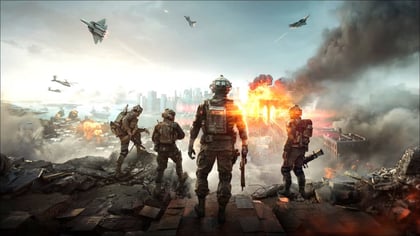
A polished single-player campaign versus chaotic 64-player warfare — pick based on whether you want a story worth finishing or a squad shooter that still needs patches.
 9.1
Ace Combat 8 offers a campaign worthy of your HOTAS, while Forza Horizon 6 sells a map and racing culture — pick based on whether you want a story or a sandbox.

Ace Combat 8 offers a polished single-player campaign with an 84% positive rating, while WARDOGS bets on a risky extraction economy that's still fighting cheaters.
 7.5
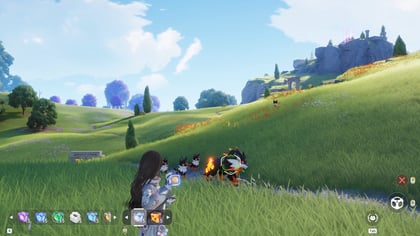
Both are free-to-play MMOs about collecting creatures, but only one makes flight the core loop instead of a transformation gimmick.
 8.8
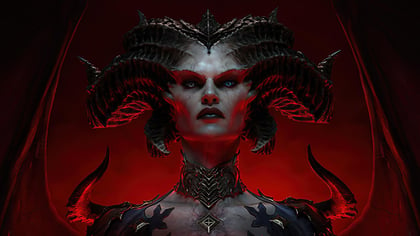
Free flight and monster-taming versus a repaired, expansion-stacked ARPG — the choice hinges on whether you can tolerate a server-locked subscription and RNG crafting.
 8.8
One asks nothing but your time and a tolerance for paywalls; the other asks $29.99 and a tolerance for league wipes — which trade sits better with you?

Both are free-to-play MMOs about collecting creatures, but only one makes flight the core loop instead of a transformation gimmick.
 7.9
A cozy creature-catching live service versus a factory-automation gacha RPG — both are free, but they ask for different kinds of patience and platform loyalty.
 7.1
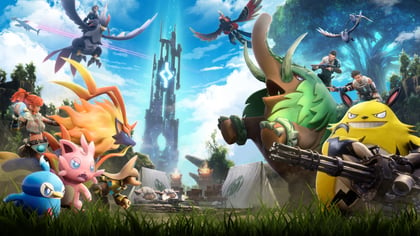
A free creature-catcher with energy meters and seasonal packs versus a $30 survival sandbox that still earns its price despite a 92% drop in players.
8.3 ARC Raiders offers a PvE extraction loop you can learn at your own pace; Battlefield 6 sells arcadey 64-player chaos but stumbles on desync and anti-cheat.
 8.0
Both are 82% positive co-op shooters at the same price, but one gets patched every week while the other hasn't been touched in 90 days.
 6.3
A polished extraction shooter with a cheating problem versus a thin 4v1 horror skeleton — pick based on whether you want squad PvE now or Michael Myers at any cost.
 8.3
Both put squads against robotic hordes, but one sells slower extraction tension and the other sells 30-second stratagem chaos — your patience for cheaters and content droughts decides it.
 8.1
One game asks you to trust its anti-cheat and frequent patches; the other asks you to bring a squad and accept a shrinking population.
 9.1
One game is a live-service extraction shooter with 47 hours of PvE; the other is a 14-hour co-op-only spectacle — pick based on whether you have a partner and how much you play in one month.
Both are squad-based extraction shooters, but one asks for tactical patience while the other demands tolerance for cheaters and wild swings.
 8.1
Both let you play a killer on land and sea, but one asks for a full-price commitment and the other asks only that you finish the pirate trip.
 8.7
A faithful pirate remake versus a bigger, blunter samurai sequel — pick the one whose flaws you can tolerate.
8.7 Pirate nostalgia versus archaeological stealth — one sells a faithful glow-up, the other a first-person Indy story you finish in 16 hours.
 8.9
A polished pirate sandbox versus a dense medieval simulation — one asks for 25 hours of sea shanties, the other 55 hours of save-scumming and slow travel.
7.4 A faithful pirate remake versus a lean mob origin story — one asks for dozens of hours, the other for a weekend, and your patience for open-world repetition decides it.
 8.5
Both let you play a killer on land and sea, but one asks for a full-price commitment and the other asks only that you finish the pirate trip.
 8.7
Japan's twin assassins versus the Dragon's pawns — do you want a beautiful world with weak story, or a mechanics-first RPG that demands the original?
8.7 Both are 2025 open-world samurai games, but one rewards stealth and patience while the other asks you to embrace aggressive, haptic combat.
8.9 A stealth-first sprint through feudal Japan or a slow, dialogue-heavy medieval simulation — your patience for friction decides this one.
 8.7
Astro Bot's polished DualSense showcase versus Denshattack!'s trick-heavy train grinding — one rewards tactile comfort, the other demands stylistic commitment.
 8.4
Astro Bot offers a polished, tactile platformer with uneven difficulty, while Lego Batman gives you a shorter, collectible-heavy adventure that demands DRM tolerance.
 8.7
Astro Bot's haptic toybox or Lost Crown's parry-driven metroidvania — the split is whether you want 3D collect-a-thons or a tight 17-hour combat puzzle.

Obsidian's wand-and-flintlock power fantasy versus Night City's story-first sandbox — one asks 20 hours, the other asks you to forgive thin builds.
 8.0
Obsidian's wand-and-flintlock power fantasy versus BioWare's parry-and-detonate spectacle — both cut companion reactivity, so pick your preferred combat rhythm.
8.7 Pick Avowed if you want flexible spell-and-gun combat in an empty world; pick Indiana Jones if you want 16 hours of stealth and puzzles that actually work.
8.9 Avowed gives you a snappy 20-hour spellcasting tour; Kingdom Come II asks for 55 hours of weighty simulation — pick your commitment.
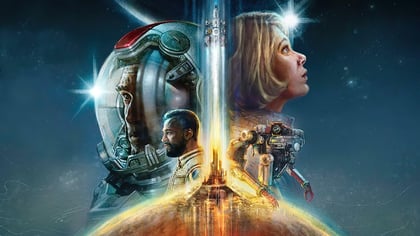 8.4
Two first-person RPGs with the same 20-ish-hour spine — one trades denser maps for tighter pacing, the other sells ship-building over planets that repeat.
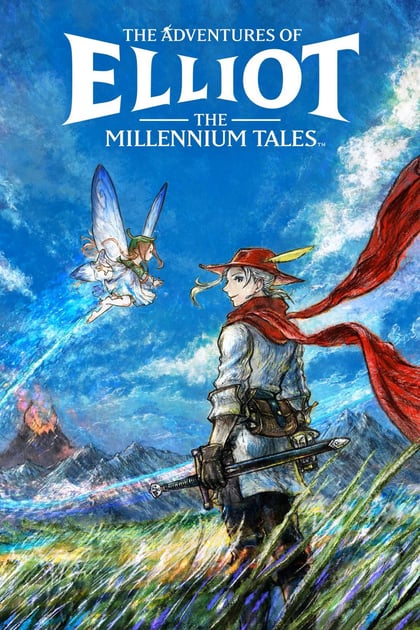 8.0
Avowed trades Obsidian's branching choices for first-person spell-slinging; Elliot offers HD-2D Zelda puzzles with time travel — pick your patience.
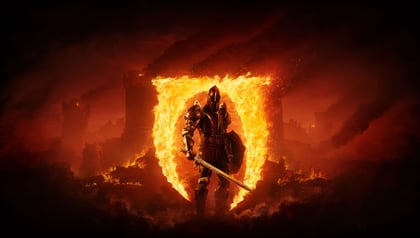 8.2
Two 2025 RPGs with 20-hour campaigns and $1-2/hour costs, but Avowed gives you spellcasting freedom while Oblivion Remastered asks you to tolerate a stutter-riddled port for nostalgia.
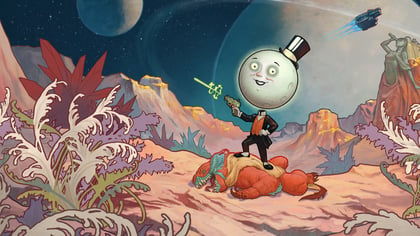 8.3
Two Obsidian RPGs from 2025: one bets on first-person spellcasting, the other on companion-driven satire — pick based on whether you want wand-slinging or choice-driven crew banter.
 9.4
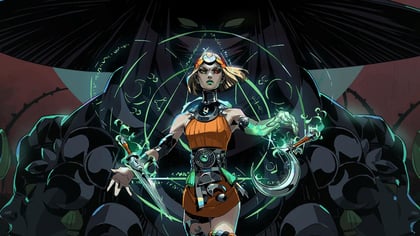
Balatro offers a fast, poker-based roguelike you can finish in 8 hours; Hades II asks for 31 hours of mythic action with layered crafting.
 8.3
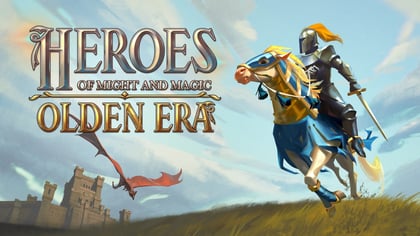
A 98%-positive solo roguelike for quick runs versus an Early Access HOMM3 revival built around multiplayer — pick your patience level and your opponents.
 8.9
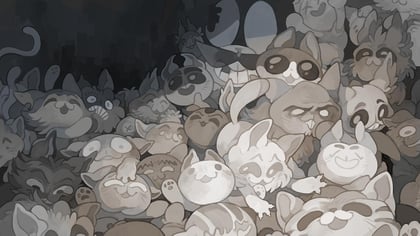
A tight 8-hour poker roguelike versus a 76-hour cat-genetics campaign — pick based on whether you want a quick commute fix or a long-term meta-grind.
 8.9
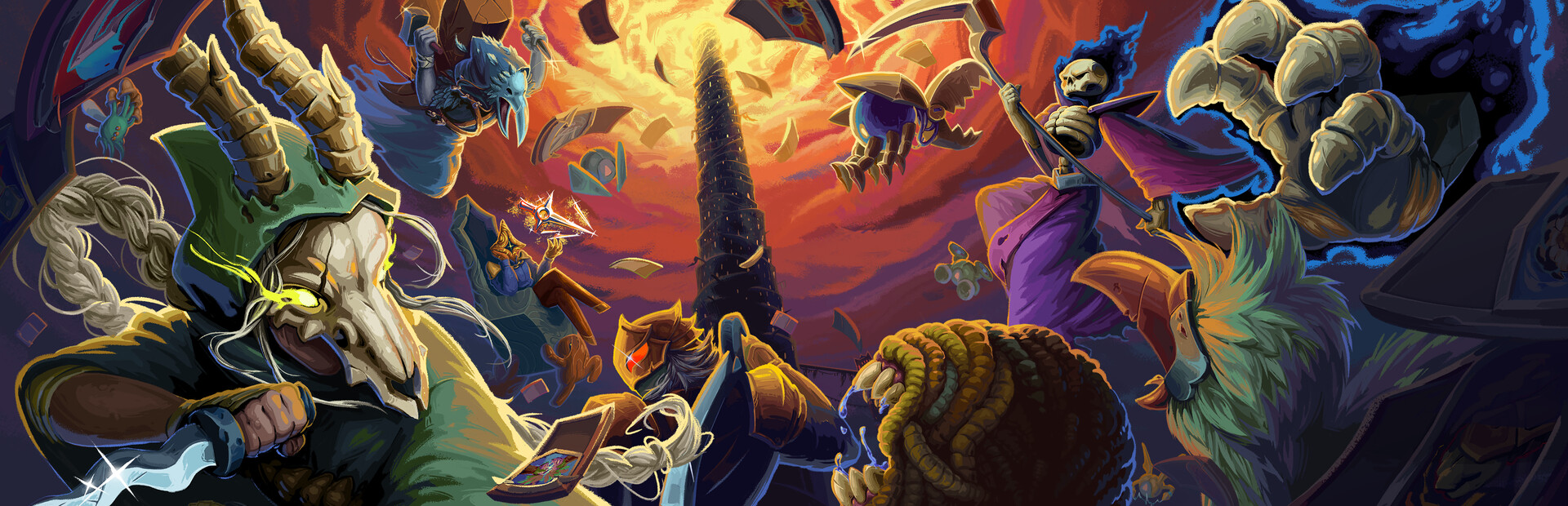
Two poker-adjacent deckbuilders split on polish versus co-op: one is finished and proven, the other is early-access and built for friends.
 8.5
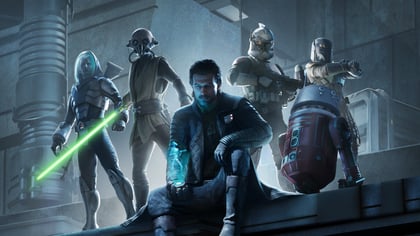
One is a $11 poker roguelike you can finish in 8 hours, the other a $50 Star Wars tactics game with save-corrupting bugs — pick your patience.
 9.2
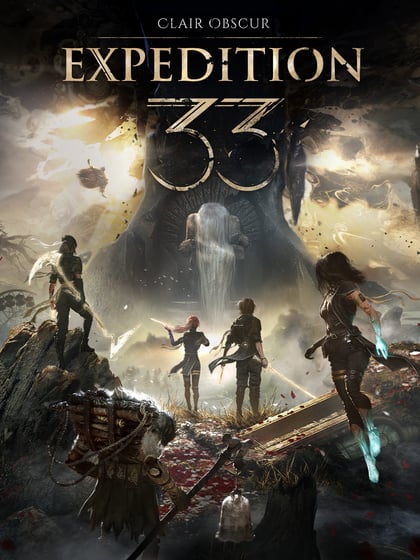
One game asks for 73 hours and rewards the replay; the other asks for 29 and rewards your reflexes on every turn.
8.0 A 73-hour tactical epic with branching choices versus a 28-hour action RPG that streamlines away companion friction — your patience for systems decides.
 9.3
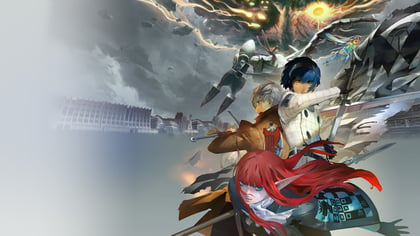
Baldur's Gate 3 asks for 73 hours and rewards divergence; Metaphor: ReFantazio streamlines Persona's calendar into a tighter 65-hour fantasy campaign.
 7.7
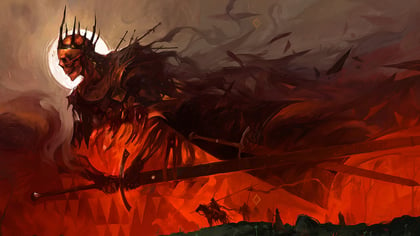
One is a 73-hour D&D epic that never goes on sale; the other is a 28-hour grimdark Skyrim-like with rough edges and a lower price.
 9.3
Two 90%+ RPGs with under-$1-per-hour main stories, but one asks for 73 hours of turn-based tactics while the other gives you 52 hours of open-world monster hunting.
 8.7
A polished single-player campaign versus chaotic 64-player warfare — pick based on whether you want a story worth finishing or a squad shooter that still needs patches.
 8.7
ARC Raiders offers a PvE extraction loop you can learn at your own pace; Battlefield 6 sells arcadey 64-player chaos but stumbles on desync and anti-cheat.
 8.6
Battlefield 6 sells you 64-player chaos with desync you have to forgive; Doom: The Dark Ages sells a slower, heavier parry loop that actually holds up.
 8.5
A 64-player squad shooter with rough edges versus a horror-tinged co-op campaign that crashes — your tolerance for jank decides the pick.
8.3 Battlefield 6 sells 64-player nostalgia with desync; HELLDIVERS 2 sells 4-player co-op chaos with friendly fire — pick your patience.
8.1 Battlefield 6 chases the chaos of 64-player conquest while Marathon asks you to trust a squad in a shrinking extraction pool — pick your poison.
 7.8
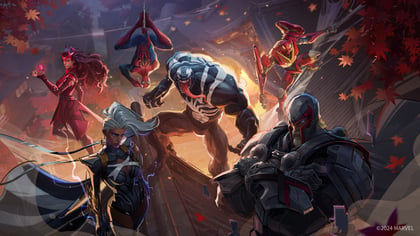
Battlefield 6 trades polish for chaotic 64-player pushes; Marvel Rivals trades competitive rigor for free-form hero synergy — pick your poison.
One bets on 64-player infantry chaos with desync, the other on a risk/reward economy that hackers can erase — pick your poison.
 8.1
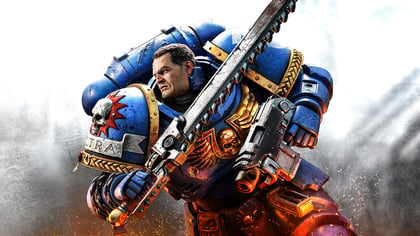
Battlefield 6 chases BF3's 64-player chaos; Space Marine 2 offers focused co-op slaughter — pick your grind and your patience level.
 8.5
One asks you to talk through puzzles with a friend, the other asks you to sit back and listen — pick your level of input.
 8.2
One asks you to find a friend and talk through puzzles; the other asks you to sit alone for six atmospheric hours.
9.1 Two co-op showcases split on tone and tempo: one rewards patient walkie-talkie talk, the other throws a new mechanic at you every ten minutes.
8.7 Boss-rush precision versus pawn-driven exploration — both ask for patience, but only one demands Sekiro-level reflexes from Chapter 2 onward.
 9.4
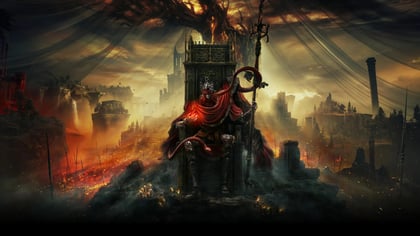
Wukong demands Sekiro-grade reflexes against 80 bosses; Erdtree rewards Elden Ring veterans who explore for Scadutree Fragments.
 8.7
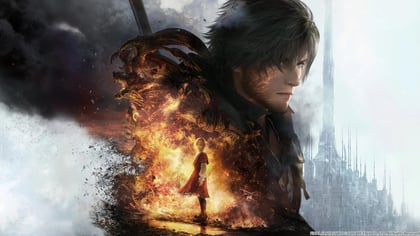
Both are 38-hour action RPGs at $1–2 an hour, but one demands Sekiro-level patience while the other lets you play for the spectacle.
8.7 Boss-rush difficulty versus open-world revenge — both are action RPGs, but they ask for very different kinds of patience and hardware.
 8.1
One wants 38 hours of Sekiro-grade boss patience, the other wants a 16-hour story you can abandon for an endgame grind with friends.
 7.8
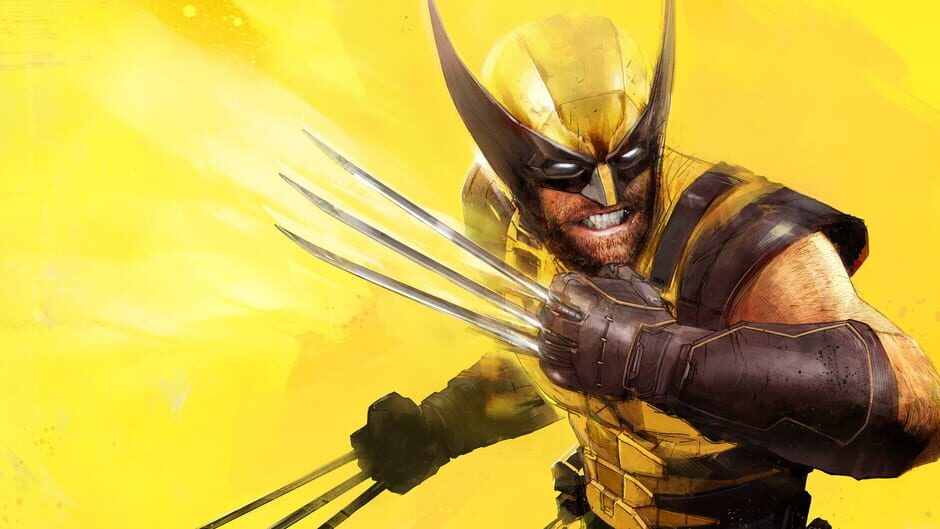
Both demand patience for punishing melee, but only one asks you to commit 38 hours to a boss rush through Chinese mythology.
 8.9
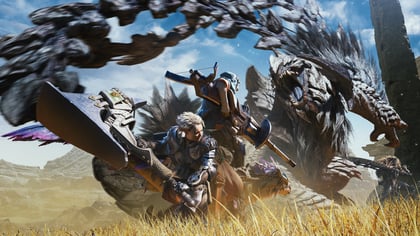
A brutal boss gauntlet versus a seamless hunt — pick the punishment that matches your patience and hardware.
 8.3
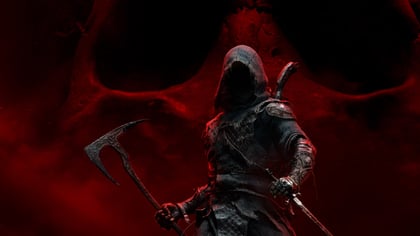
Both are Soulslike boss gauntlets, but only one asks you to trade 38 hours for 96% approval while the other asks you to tolerate bugs for a tighter world.
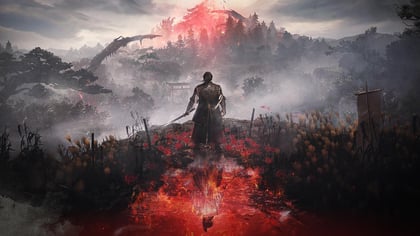 8.5
Wukong's 38-hour boss gauntlet and 96% Steam approval against Nioh 3's stance-shifting combat and 27-hour campaign — pick your punishment.
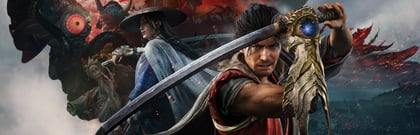 8.6
Wukong's 96% Steam rating and 38-hour boss rush test your Sekiro patience, while Onimusha's Issen counter offers a looser, faster parry fix.
 8.8
Wukong and Phantom Blade Zero both demand parry patience, but only one asks you to master a stance-swapping kung fu system while the other leans on boss-rush mythology.
 8.1
Both chase Sekiro's parry rhythm, but only one hands you Journey to the West mythology and a 38-hour boss gauntlet instead of a tight 23-hour parry test.
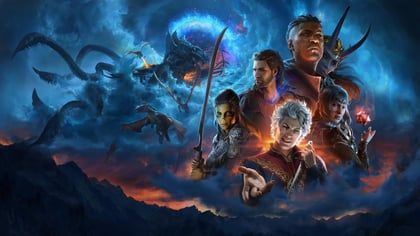 9.6
One game asks for 73 hours and rewards the replay; the other asks for 29 and rewards your reflexes on every turn.
8.0 Expedition 33 asks you to time every dodge; Veilguard lets you parry your way through a simpler, cheaper fantasy.
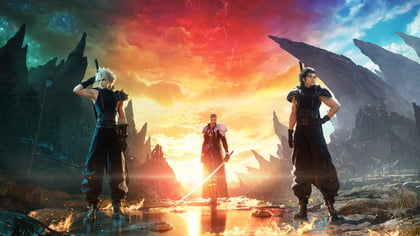 9.2
A 29-hour story that demands your reflexes versus a 48-hour open world that assumes you played the first one — pick your commitment.
8.7 A reactive, story-first RPG versus a character-action spectacle — only one rewards you for timing every dodge and reading every line.
9.3 A 29-hour reactive parry drama versus a 65-hour calendar-driven class epic — pick your patience budget before you pick your fantasy.
 8.7
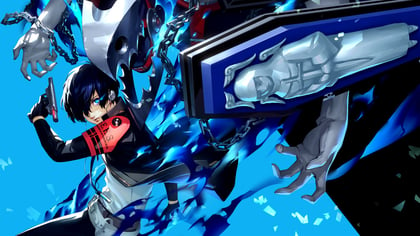
Expedition 33 asks for 29 hours of tight, reactive turns; Persona 3 Reload asks for 65 hours of calendar management and Tartarus grinding — pick your patience.
 7.8
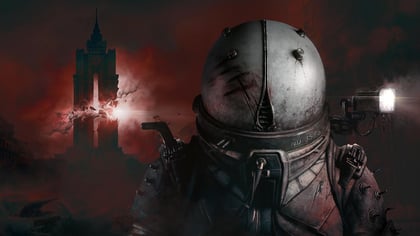
Choose between Remedy's sprawling melee brawler and Bloober's tight survival horror — your tolerance for pacing and boss design decides it.
7.8 A 30-hour semi-open brawler versus a tight 15-hour linear one — your patience for enemy sponges and corridor pacing decides this.
8.6 Two paranormal brawlers, one trades guns for a gauntlet and the other trades an open city for a parry — choose the one that matches your tolerance for sprawl or repetition.
8.1 Remedy's lore-heavy melee brawler versus SHIFT UP's parry-perfect action — pick based on whether you want 30 hours of weird fiction or a tighter combat test.
8.7 Crimson Desert gives you 64 hours of exploration and combat; Dragon's Dogma 2 gives you 31 hours of pawn-driven systems — pick based on whether you want world or mechanics.
9.4 Crimson Desert sells you 300 hours of exploration and combat; Shadow of the Erdtree sells you 26 hours of dense, opaque boss mastery — pick your patience.
8.7 Crimson Desert sold its 300-hour world with 12 patches in 90 days; Ghost of Yotei banked an 8.7 on Tsushima's combat dance — pick your trade.
8.9 Both ask for dozens of hours in a medieval-ish sandbox, but one sells you a world and the other sells you a script.
 8.3
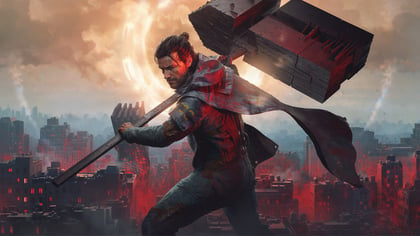
Choose between Remedy's sprawling melee brawler and Bloober's tight survival horror — your tolerance for pacing and boss design decides it.
8.0 A tight 15-hour corridor horror run versus 40-minute co-op roguelike loops — the choice is about session length and whether you have a squad.
8.7 Cronos offers tight, 15-hour corridor horror for $24; Final Fantasy XVI offers 38 hours of Eikon spectacle for $50 — pick your patience and your budget.
 8.0
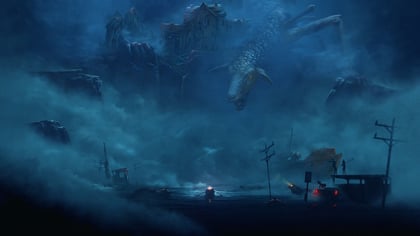
A 15-hour solo survival-horror campaign versus a 5-hour co-op scare — the choice comes down to how much time you want and whether you have a partner.
 9.2
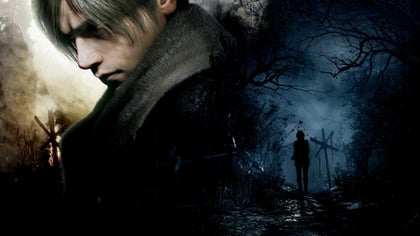
Cronos wants you to hoard bullets in a haunted corridor; RE4 Remake wants you to parry a chainsaw — pick your kind of tension.
 8.7
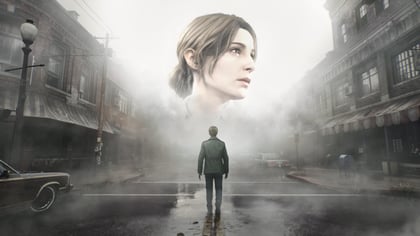
Two Bloober Team horror games share a developer but split on one question: do you want a new corridor-scavenging gauntlet or a faithful remake of a psychological classic?
 8.6
Cronos asks you to hoard bullets in a corridor; Silent Hill f asks you to trust its writing — pick your poison.
9.3 A tight 15-hour corridor scare versus a 52-hour open-world RPG — choose based on whether you want tension or sprawl.
 8.0
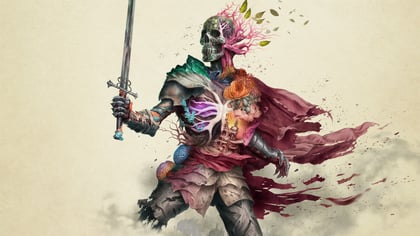
Obsidian's wand-and-flintlock power fantasy versus Night City's story-first sandbox — one asks 20 hours, the other asks you to forgive thin builds.
 7.5
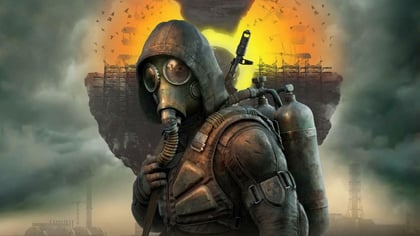
A cheaper, story-driven 26-hour RPG versus a rougher, 36-hour survival shooter — your patience for jank and love of atmosphere decide.
8.4 Starfield gives you a ship and a galaxy; Cyberpunk gives you a city and a story — only one respects your time at $18.
8.3 Night City's fixed sandbox versus Obsidian's tight companion-driven satire — one gives you 26 hours for under a dollar an hour, the other asks full price for 18.
9.3 Night City's atmosphere and shorter story versus The Witcher 3's massive side content — both are cheap per hour, but one asks for a bigger time commitment and a newer PC.
 6.3
A $18 comeback versus a $27 smaller sequel — one rewards atmosphere and patience, the other asks you to accept a linear, fixed-protagonist vampire tale.
8.7 Kojima's refined weirdness versus Sucker Punch's familiar blade — one asks you to embrace slow logistics, the other a straightforward revenge.
8.5 Kojima's 35-hour weirdness versus a 12-hour stealth classic — pick based on whether you want new ideas or polished nostalgia.
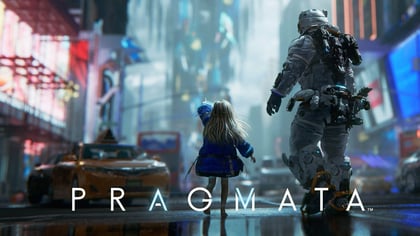 8.6
Two sci-fi adventures about connection, but one asks for 35 hours of patience while the other gets to the point in 12.
 9.4
Astro Bot's polished DualSense showcase versus Denshattack!'s trick-heavy train grinding — one rewards tactile comfort, the other demands stylistic commitment.
 9.1
A loud, cheap trick-platformer with 98% positive reviews versus a 28-hour Metroidvania that asks for patience — pick your kind of punishment.
8.7 One is a style-soaked trick platformer that asks for precision under pressure; the other is a polished metroidvania that asks you to map a cursed world and parry its bosses.
Free flight and monster-taming versus a repaired, expansion-stacked ARPG — the choice hinges on whether you can tolerate a server-locked subscription and RNG crafting.
8.1 One game asks for seasonal resets and a permanent online tether; the other offers a shorter story but an endgame loop that keeps 90% of Steam reviewers positive.
8.3 One game asks you to build a character alone; the other asks you to trust three strangers with friendly fire.
8.9 Diablo IV trades on fixed-class seasonal resets and an endgame overhaul; Monster Hunter Wilds on seamless hunts that stumble on AMD hardware and a thin roster.
8.8 A free-to-repair Diablo IV versus an Early Access Path of Exile 2 — the real choice is seasonal resets versus league wipes, not loot versus skills.
 7.3
One closes a decade-old story for the already-converted; the other bets on replayable horror — but only one of them expects homework.
8.5 One is a three-hour playlist you barely touch; the other is an eight-hour horror mystery you steer — pick by whether you want to play or just vibe.
8.3 Battlefield 6 sells you 64-player chaos with desync you have to forgive; Doom: The Dark Ages sells a slower, heavier parry loop that actually holds up.
8.5 Doom: The Dark Ages trades speed for shield-saw parries, while Gears of War: E-Day sells horror-rooted co-op — but only one of them runs without crashing.
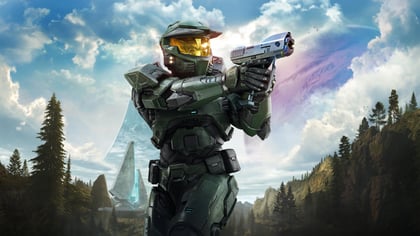 8.1
Doom: The Dark Ages trades Eternal's speed for shield-saw parries, while Halo Campaign Evolved asks full price for a prettier 2001 campaign — which gamble fits your patience?
8.3 Doom: The Dark Ages trades Eternal's speed for shield-saw parries, while Helldivers 2 trades solo power fantasy for four-player chaos — pick your friction.
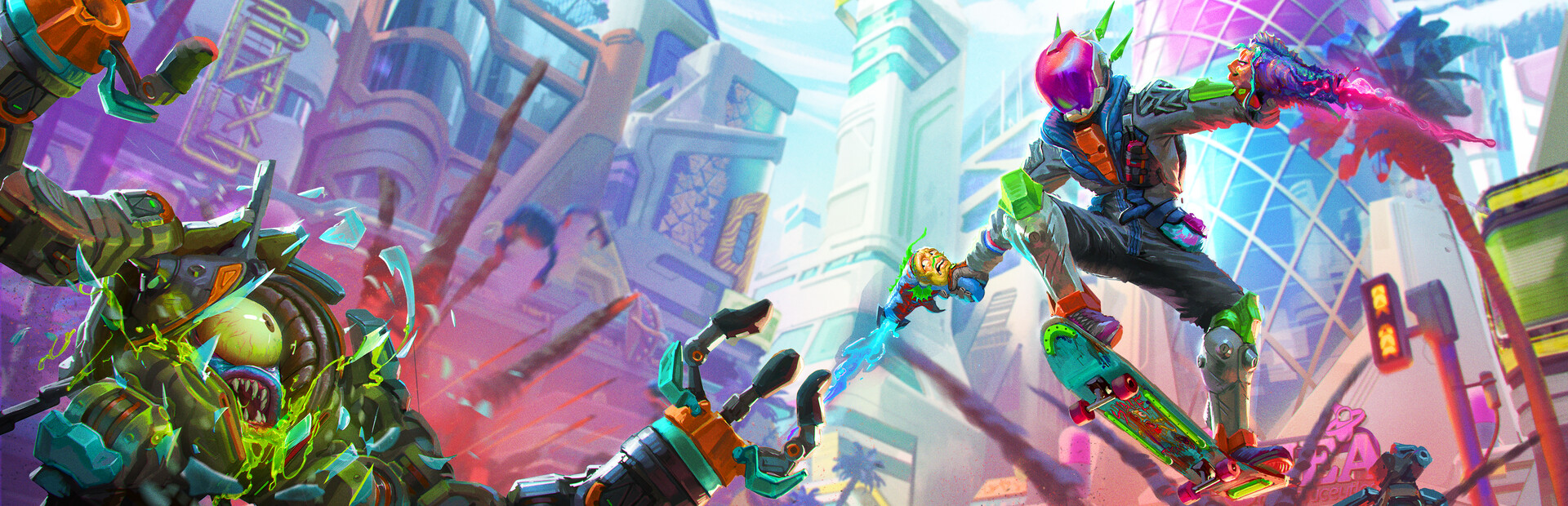 7.3
Doom: The Dark Ages asks you to learn a slower, parry-heavy rhythm, while High On Life 2 bets on comedy and skateboarding over sharp gunplay.
8.1 Doom: The Dark Ages slows the kill loop to a shield-saw parry; Space Marine 2 swaps campaign length for co-op Operations that keep players returning.
8.0 Obsidian's wand-and-flintlock power fantasy versus BioWare's parry-and-detonate spectacle — both cut companion reactivity, so pick your preferred combat rhythm.
9.6 A 73-hour tactical epic with branching choices versus a 28-hour action RPG that streamlines away companion friction — your patience for systems decides.
9.2 Expedition 33 asks you to time every dodge; Veilguard lets you parry your way through a simpler, cheaper fantasy.
8.4 Choose Veilguard if you want a tighter, cheaper RPG with action combat, or Starfield if ship-building and modding justify the higher cost.
8.3 Veilguard's 68% Steam score and 28-hour campaign test your patience for streamlined action; Outer Worlds 2's 18-hour satire asks if you value writing over gunplay.
8.1 Japan's twin assassins versus the Dragon's pawns — do you want a beautiful world with weak story, or a mechanics-first RPG that demands the original?
 8.2
Boss-rush precision versus pawn-driven exploration — both ask for patience, but only one demands Sekiro-level reflexes from Chapter 2 onward.
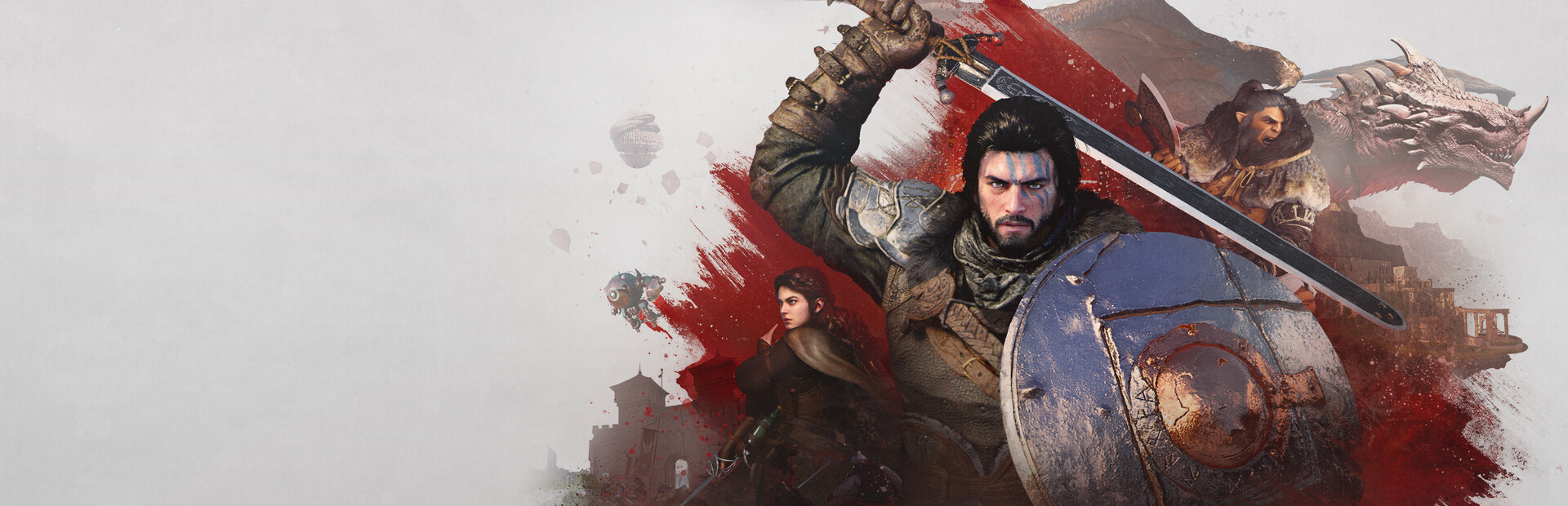 7.9
Crimson Desert gives you 64 hours of exploration and combat; Dragon's Dogma 2 gives you 31 hours of pawn-driven systems — pick based on whether you want world or mechanics.
9.4 A mechanic-first RPG with a divisive original versus a DLC that assumes you already beat Elden Ring — the choice hinges on your starting point.
8.7 Both are 8.7/10 action RPGs, but only one asks you to learn its opaque systems while the other hands you a familiar revenge loop.
 7.3
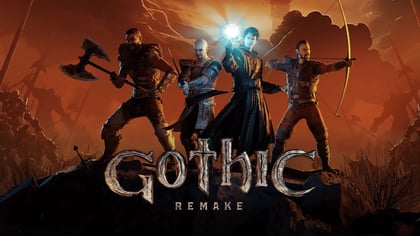
DD2's pawn-driven sandbox and Gothic's hostile colony both punish you, but they demand different kinds of patience.
8.1 Two 2024 action RPGs split on how much rope they give you: one trusts a slow-burn sandbox, the other a tight combo grind.
8.9 One game asks you to forgive rough edges for mechanical freedom; the other asks you to slow down and live in its world — which patience do you have?
8.9 Both Capcom RPGs reward patience, but only one asks you to forgive a broken launch and an AMD crash risk.
8.5 Dragon's Dogma 2 offers a 31-hour odyssey with pawns, while Nioh 3 demands sharper reflexes and more retries — which do you have the patience for?
8.8 A single-character action RPG with a fixed save versus a live-service ARPG that resets your build every league — pick your commitment level.
8.2 Dragon's Dogma 2 pushes mechanic-first exploration and class builds, while Oblivion Remastered offers nostalgic questlines wrapped in a stutter-prone port — choose your tolerance for jank.
9.3 A mechanic-first dragon hunt with a single save slot versus a decision-driven continent with two expansions — pick your commitment level.
8.0 One is a linear parkour brawler that respects your time; the other is a co-op roguelike that demands a full party and expects you to wait for patches.
8.7 Dying Light: The Beast gives you a tight, cheap parkour brawl; Final Fantasy XVI offers a long Eikon spectacle — but its PC port is abandoned and full price.
6.3 Dying Light: The Beast offers a complete 18-hour melee-parkour campaign; Halloween: The Game bets everything on one killer across three maps — only one respects your time.
9.2 Both are 16-18 hour action games with strong 2025 value, but one gives you parkour freedom and the other demands knife-timing perfection.
7.5 A tight 18-hour parkour brawler versus a 36-hour anomaly-filled open world — pick based on whether you want flow or friction.
9.3 A tight 18-hour parkour brawler versus a 52-hour open-world RPG — pick based on whether you want speed or scope.
8.7 Both are 82% positive co-op shooters at the same price, but one gets patched every week while the other hasn't been touched in 90 days.
7.8 A tight 15-hour corridor horror run versus 40-minute co-op roguelike loops — the choice is about session length and whether you have a squad.
 8.1
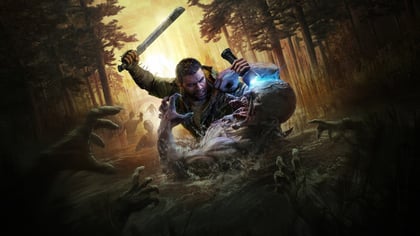
One is a linear parkour brawler that respects your time; the other is a co-op roguelike that demands a full party and expects you to wait for patches.
9.4 A roguelike co-op sprint versus a sprawling single-player expansion — pick based on whether you want friends and resets or solitude and Scadutree Fragments.
9.4 Two roguelike spins on beloved formulas, but Nightreign wants a party and Hades II wants your full attention to its systems.
8.3 Both are co-op shooters with short runs, but only one asks you to bring two friends and accept a silent content pipeline.
8.3 Both are FromSoftware-adjacent action RPGs, but one is a repeatable co-op roguelike and the other a compact, buggy-at-launch Soulslike.
7.1 A co-op roguelike sprint versus a creature-survival marathon — your patience for maintenance and party size decides it.
 8.7
A 28-hour co-op roguelike that resets every run versus a three-hour surfing flow you finish in an evening — pick your commitment, not your genre.
7.7 Both run 28 hours at $1-2 an hour, but only one is built for a three-player voice call, and only one rewards wandering off the path.
 8.6
Roguelike co-op runs with friends versus a choice-driven survival story for solo play — they ask for different time and emotional commitments.
6.3 One is a co-op roguelike built for a party on voice chat, the other a linear vampire story — pick the one whose structure matches your patience and schedule.
8.2 Wukong demands Sekiro-grade reflexes against 80 bosses; Erdtree rewards Elden Ring veterans who explore for Scadutree Fragments.
7.9 Crimson Desert sells you 300 hours of exploration and combat; Shadow of the Erdtree sells you 26 hours of dense, opaque boss mastery — pick your patience.
8.7 A mechanic-first RPG with a divisive original versus a DLC that assumes you already beat Elden Ring — the choice hinges on your starting point.
8.0 A roguelike co-op sprint versus a sprawling single-player expansion — pick based on whether you want friends and resets or solitude and Scadutree Fragments.
8.3 A polished, punishing expansion for Elden Ring veterans versus a buggy but weighty Soulslike that demands parry reflexes — your patience and backlog decide.
8.5 A refinement of a formula you already beat versus a new stance system that asks you to learn from scratch — the choice hinges on which patience you have.
8.8 A 26-hour DLC for Elden Ring veterans versus an unfinished ARPG that demands constant resets — pick based on whether you want closure or a moving target.
8.1 One asks you to finish a 100-hour base game first, the other hands you a parry loop in 23 hours — pick your time budget, not your genre.
 8.7
Both are choice-driven narrative indies, but only one asks you to manage a team under time pressure while the other hands you a dense solo mystery.
7.3 A 12-hour dialogue-first indie versus an 8-10 hour nostalgia sequel — pick your patience for reading versus your history with Max and Chloe.
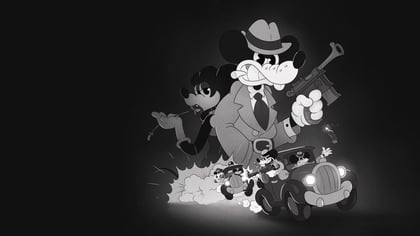 8.1
One sells you 12 hours of D&D bickering and dense text; the other sells 1930s rubber-hose gunplay with thin detective work.
9.2 A 29-hour story that demands your reflexes versus a 48-hour open world that assumes you played the first one — pick your commitment.
8.7 A 48-hour open-world RPG that expects you to have played Remake versus a 38-hour character-action story you can finish in a weekend.
8.1 A 100-hour open-world spectacle versus a 16-hour endgame grind — both action RPGs, but only one respects your calendar.
9.3 Open-world spectacle with card-game detours versus calendar-driven turn-based strategy — pick your 60-hour commitment based on how you like to be paced.
8.7 One game asks for 48 hours of open-world spectacle, the other 65 hours of calendar-managed dungeon crawling — your tolerance for bloat versus routine decides it.
 7.4
A 48-hour open-world RPG versus a 15-hour remake of a saga chapter — the real question is whether you already know Kiryu or not.
8.2 Both are 38-hour action RPGs at $1–2 an hour, but one demands Sekiro-level patience while the other lets you play for the spectacle.
9.2 A reactive, story-first RPG versus a character-action spectacle — only one rewards you for timing every dodge and reading every line.
7.8 Cronos offers tight, 15-hour corridor horror for $24; Final Fantasy XVI offers 38 hours of Eikon spectacle for $50 — pick your patience and your budget.
8.1 Dying Light: The Beast gives you a tight, cheap parkour brawl; Final Fantasy XVI offers a long Eikon spectacle — but its PC port is abandoned and full price.
9.2 A 48-hour open-world RPG that expects you to have played Remake versus a 38-hour character-action story you can finish in a weekend.
7.4 A 38-hour spectacle you watch versus a 12-hour crime story you finish — the choice hinges on whether you want combat depth or narrative density.
9.3 A 38-hour action spectacle with no party control versus a 65-hour turn-based calendar epic — the choice is about how much time you have and whether you want to command a team.
8.7 One is a 38-hour revenge saga with setpiece summons; the other is a 3-hour surfing meditation — pick your patience and your price-per-hour.
7.7 One is a 38-hour character-action spectacle on a frozen port; the other is a rough-edged first-person RPG that still gets patches.
8.6 A 38-hour character-action spectacle with an abandoned PC port versus a 19-hour survival base-builder that keeps getting fixed — pick by how much you value post-launch support.
6.3 One game gives you a 38-hour character-action spectacle, the other a 16-hour linear vampire story — pick based on whether you want combat or atmosphere.
 8.9
Engage pares Fire Emblem down to a 30-hour tactics campaign, while Fortune's Weave buries its combat under a farming sim's worth of seed-planting.
 8.9
A tight tactics campaign with Emblem Rings versus a four-route war epic built around monastery life — your tolerance for downtime decides this.
 8.1
Engage pares Fire Emblem down to a 30-hour tactics campaign, while Fortune's Weave buries its combat under a farming sim's worth of seed-planting.
8.9 Both wrap grid tactics in school-life downtime, but only one lets you rewind a fatal mistake — pick your patience level.
8.1 A tight tactics campaign with Emblem Rings versus a four-route war epic built around monastery life — your tolerance for downtime decides this.
8.9 Both wrap grid tactics in school-life downtime, but only one lets you rewind a fatal mistake — pick your patience level.
8.7 Ace Combat 8 offers a campaign worthy of your HOTAS, while Forza Horizon 6 sells a map and racing culture — pick based on whether you want a story or a sandbox.
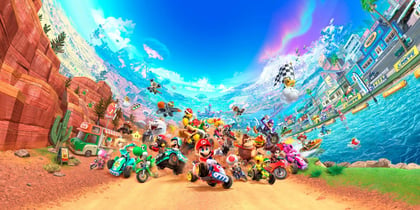 8.7
Two arcade racers split by what you want from speed: Japan's open roads versus 24-player chaos on a Switch 2.
8.3 A 64-player squad shooter with rough edges versus a horror-tinged co-op campaign that crashes — your tolerance for jank decides the pick.
8.6 Doom: The Dark Ages trades speed for shield-saw parries, while Gears of War: E-Day sells horror-rooted co-op — but only one of them runs without crashing.
8.1 One game asks you to tolerate crashes for a horror-tinged origin story; the other asks you to pay full price for a prettier version of a 2001 campaign.
8.1 A horror-tinged campaign with crashing PCs versus a stable, co-op grind that asks only 9 hours — pick your tolerance for technical pain.
8.5 A faithful pirate remake versus a bigger, blunter samurai sequel — pick the one whose flaws you can tolerate.
8.1 Both are 2025 open-world samurai games, but one rewards stealth and patience while the other asks you to embrace aggressive, haptic combat.
8.2 Boss-rush difficulty versus open-world revenge — both are action RPGs, but they ask for very different kinds of patience and hardware.
7.9 Crimson Desert sold its 300-hour world with 12 patches in 90 days; Ghost of Yotei banked an 8.7 on Tsushima's combat dance — pick your trade.
 9.0
Kojima's refined weirdness versus Sucker Punch's familiar blade — one asks you to embrace slow logistics, the other a straightforward revenge.
8.7 Both are 8.7/10 action RPGs, but only one asks you to learn its opaque systems while the other hands you a familiar revenge loop.
7.8 A 40-hour open-world revenge epic versus a tight 15-hour claw brawler — pick your patience for repetition and story sprawl.
8.5 A 40-hour revenge epic versus a 12-hour stealth remake — pick based on whether you want new territory or a faithful, if stuttery, return.
8.6 Both are samurai action games, but one sells you a 40-hour open revenge tour while the other hands you a linear parry gauntlet.
7.4 Do you want an 8.7-scored revenge grind on new hardware or a 15-hour remake that only clicks if you already know Kiryu?
8.7 DD2's pawn-driven sandbox and Gothic's hostile colony both punish you, but they demand different kinds of patience.
8.8 One game trusts you to survive a hostile valley on its own terms; the other hands you a seven-act ARPG that resets its meta every few months — pick your patience.
8.2 Gothic 1 Remake offers a hostile, handcrafted colony while Oblivion Remastered gives you Cyrodiil with a fresh coat of paint — pick your poison.
8.2 One wants 38 hours of Sekiro-grade boss patience, the other wants a 16-hour story you can abandon for an endgame grind with friends.
8.8 One game asks for seasonal resets and a permanent online tether; the other offers a shorter story but an endgame loop that keeps 90% of Steam reviewers positive.
8.7 Two 2024 action RPGs split on how much rope they give you: one trusts a slow-burn sandbox, the other a tight combo grind.
9.2 A 100-hour open-world spectacle versus a 16-hour endgame grind — both action RPGs, but only one respects your calendar.
8.9 Relink is a polished 16-hour combo brawler with a proven 90% review score; Wilds is a bigger hunt with seamless zones but a 50% review split.
8.1 Both are 2024 action-RPGs with strong verdicts, but Relink sells an endgame grind while Stellar Blade sells parry-driven boss mastery.
 9.2
Balatro offers a fast, poker-based roguelike you can finish in 8 hours; Hades II asks for 31 hours of mythic action with layered crafting.
8.0 Two roguelike spins on beloved formulas, but Nightreign wants a party and Hades II wants your full attention to its systems.
9.1 One game layers roguelike systems until they buckle; the other polishes a metroidvania until it cuts — pick your flavor of punishment.
8.9 A tightly paced action roguelike versus a sprawling turn-based genetics grind — pick based on whether you want 31 focused hours or 76+ hours of cat breeding.
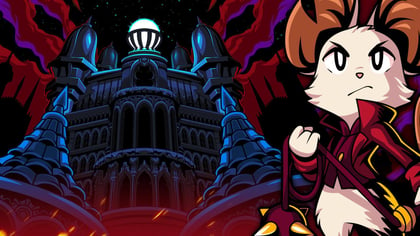 9.1
Both are run-based action games with retro roots, but one asks for 30+ hours of system mastery while the other front-loads its difficulty and finishes in 18.
8.9 Hades II rewards slow system mastery; Slay the Spire 2 bets on co-op and constant rebalancing — your patience for patch churn decides.
8.7 A polished extraction shooter with a cheating problem versus a thin 4v1 horror skeleton — pick based on whether you want squad PvE now or Michael Myers at any cost.
8.1 Dying Light: The Beast offers a complete 18-hour melee-parkour campaign; Halloween: The Game bets everything on one killer across three maps — only one respects your time.
8.1 Two 2026 horror-adjacent multiplayer games with thin playerbases — one asks you to main a single killer, the other asks for a squad you trust.
 8.9
A scrappy 4v1 built around one killer versus a polished 11-hour horror campaign — your tolerance for thin content and stutter decides this.
8.6 Doom: The Dark Ages trades Eternal's speed for shield-saw parries, while Halo Campaign Evolved asks full price for a prettier 2001 campaign — which gamble fits your patience?
8.5 One game asks you to tolerate crashes for a horror-tinged origin story; the other asks you to pay full price for a prettier version of a 2001 campaign.
7.3 A faithful CE remake that costs $50 for 95% recycled content versus a 12-hour comedy shooter whose player count has cratered to 4% of launch.
8.1 A polished remake of a linear 2001 campaign versus an extraction shooter bleeding players — the choice depends on whether you want nostalgia or squad-driven risk.
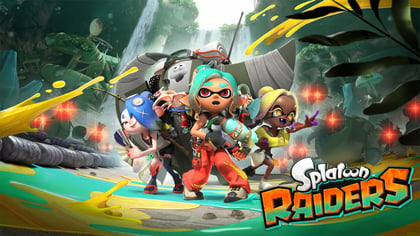 8.2
A $50 remake of a 2001 campaign versus a new PvE looter spinoff — the choice hinges on whether you want nostalgia or a fresh grind.
8.7 Both put squads against robotic hordes, but one sells slower extraction tension and the other sells 30-second stratagem chaos — your patience for cheaters and content droughts decides it.
8.3 Battlefield 6 sells 64-player nostalgia with desync; HELLDIVERS 2 sells 4-player co-op chaos with friendly fire — pick your patience.
8.8 One game asks you to build a character alone; the other asks you to trust three strangers with friendly fire.
8.6 Doom: The Dark Ages trades Eternal's speed for shield-saw parries, while Helldivers 2 trades solo power fantasy for four-player chaos — pick your friction.
8.0 Both are co-op shooters with short runs, but only one asks you to bring two friends and accept a silent content pipeline.
7.3 Helldivers 2 offers chaotic co-op with friendly fire and stratagems, while High on Life 2 bets on skateboard traversal and cynical comedy — pick your patience.
7.8 Co-op chaos against AI versus free-to-play 6v6 PvP with Marvel team-ups — the choice hinges on whether you want to fight alongside friends or against them.
8.2 Chaotic squad co-op with friendly fire versus Splatoon-flavored looter raiding — the choice hinges on whether you want PvE teamwork online or inking missions on Switch.
9.1 Pick chaotic four-player firefights or a tight two-player mechanic-swapping ride — both demand a partner, but they test completely different kinds of cooperation.
One is a proven co-op shooter with balance scars; the other a large-scale extraction shooter whose economy dies to cheaters until anti-cheat lands.
8.1 One asks for chaotic 4-player coordination, the other for a tight 9-hour bolter power fantasy — pick your commitment level.
9.2 A 98%-positive solo roguelike for quick runs versus an Early Access HOMM3 revival built around multiplayer — pick your patience level and your opponents.
8.9 Nostalgic HOMM3 multiplayer versus McMillen's 76-hour cat-genetics roguelite — pick based on whether you want short PvP sessions or a long single-player grind.
8.9 Two early-access strategy revivals with strong critic scores but opposite player verdicts — one leans on multiplayer PvP, the other on co-op card runs.
8.5 One game revives a classic strategy formula with frequent patches, the other offers squad tactics polish but save-corruption risk — choose based on your tolerance for rough edges.
8.6 Doom: The Dark Ages asks you to learn a slower, parry-heavy rhythm, while High On Life 2 bets on comedy and skateboarding over sharp gunplay.
8.1 A faithful CE remake that costs $50 for 95% recycled content versus a 12-hour comedy shooter whose player count has cratered to 4% of launch.
8.3 Helldivers 2 offers chaotic co-op with friendly fire and stratagems, while High on Life 2 bets on skateboard traversal and cynical comedy — pick your patience.
8.3 Both are comedy shooters, but one asks you to tolerate uneven gunplay for 12 hours while the other trades twitch reflexes for Obsidian's sharpest writing.
8.7 A loud, cheap trick-platformer with 98% positive reviews versus a 28-hour Metroidvania that asks for patience — pick your kind of punishment.
9.4 One game layers roguelike systems until they buckle; the other polishes a metroidvania until it cuts — pick your flavor of punishment.
9.1 One gives you 28 hours of bug-hunting for under $20; the other asks for 18 but demands you decipher its systems alone.
8.7 Both are 2.5D metroidvanias with parry-heavy bosses, but one asks for 28 hours of exploration and the other 17 — and that gap decides who should play which.
 7.7
One game is a 28-hour precision platformer at under a dollar an hour; the other is an 11-hour pixel-art story that skimps on combat.
 8.7
Two 16-hour stealth adventures at the same price — one wants Hitman patience, the other wants Indy nostalgia and a Game Pass sub.
8.5 Pirate nostalgia versus archaeological stealth — one sells a faithful glow-up, the other a first-person Indy story you finish in 16 hours.
8.0 Pick Avowed if you want flexible spell-and-gun combat in an empty world; pick Indiana Jones if you want 16 hours of stealth and puzzles that actually work.
8.5 One is a 16-hour stealth adventure built on franchise nostalgia, the other a 12-hour remake faithful to a 2004 classic — pick based on which legacy you actually want to revisit.
8.3 Indiana Jones and the Great Circle vs. The Outer Worlds 2: one leans on stealth and franchise nostalgia, the other on Obsidian's writing and companion reactivity — pick based on what you value more.
8.5 A polished pirate sandbox versus a dense medieval simulation — one asks for 25 hours of sea shanties, the other 55 hours of save-scumming and slow travel.
8.1 A stealth-first sprint through feudal Japan or a slow, dialogue-heavy medieval simulation — your patience for friction decides this one.
8.0 Avowed gives you a snappy 20-hour spellcasting tour; Kingdom Come II asks for 55 hours of weighty simulation — pick your commitment.
7.9 Both ask for dozens of hours in a medieval-ish sandbox, but one sells you a world and the other sells you a script.
8.7 One game asks you to forgive rough edges for mechanical freedom; the other asks you to slow down and live in its world — which patience do you have?
8.0 A 55-hour medieval simulation that respects your patience versus a 16-hour HD-2D time-travel homage that respects your schedule.
8.2 A 55-hour historical epic with weighty combat versus a 17-hour remaster of a 2006 classic — pick your patience test.
8.3 One game asks 55 hours of grounded medieval simulation; the other offers 18 hours of sharp satire — pick your patience and your payoff.
9.3 A 55-hour medieval simulation with save limits versus a 52-hour RPG whose Complete Edition packs two expansions — pick your patience and your hardware.
9.4 Astro Bot offers a polished, tactile platformer with uneven difficulty, while Lego Batman gives you a shorter, collectible-heavy adventure that demands DRM tolerance.
 9.1
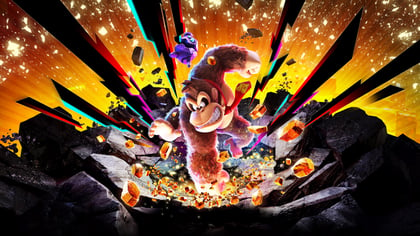
A sandbox built for smashing versus a licensed brawler built for Batman trivia — pick your destruction loop and how much DRM you'll tolerate.
9.1 A solo-friendly Batman collectathon with DRM strings versus a co-op-only Hazelight romp that swaps mechanics every ten minutes — your play situation decides this one.
 7.2
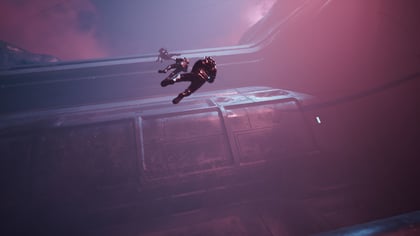
One closes a decade-old story for the already-converted; the other bets on replayable horror — but only one of them expects homework.
 8.8
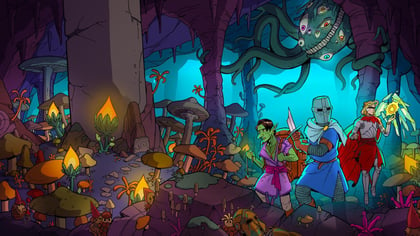
A 12-hour dialogue-first indie versus an 8-10 hour nostalgia sequel — pick your patience for reading versus your history with Max and Chloe.
8.5 Reunion asks you to close a decade-old story; Mixtape asks you to sit back for three hours and let a 90s playlist do the work.
8.7 Bond's gadget-driven stealth versus Mafia's linear Sicilian crime saga — both are short, linear stories, but only one asks you to think before you shoot.
8.5 A faithful pirate remake versus a lean mob origin story — one asks for dozens of hours, the other for a weekend, and your patience for open-world repetition decides it.
8.7 A 38-hour spectacle you watch versus a 12-hour crime story you finish — the choice hinges on whether you want combat depth or narrative density.
8.5 Two linear 12-hour crime sagas, but one asks you to love Sicily's story while the other bets you'll replay its stealth sandbox for decades.
9.2 Two linear action games, opposite bets: one asks you to forgive a thin sandbox for a tight mob story, the other asks you to accept a remake that trims the original's setpieces.
 9.0
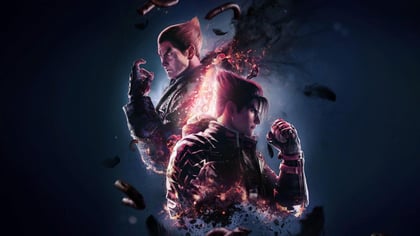
A 12-hour Sicilian crime story versus a 4-hour campaign bolted to a lifelong fighting system — pick the one that matches the hours you actually have.
9.3 One gives you a 12-hour Sicilian mob story you can finish in a weekend; the other asks 52+ hours and hands you an entire second region.
8.7 One game asks you to trust its anti-cheat and frequent patches; the other asks you to bring a squad and accept a shrinking population.
8.3 Battlefield 6 chases the chaos of 64-player conquest while Marathon asks you to trust a squad in a shrinking extraction pool — pick your poison.
6.3 Two 2026 horror-adjacent multiplayer games with thin playerbases — one asks you to main a single killer, the other asks for a squad you trust.
8.1 A polished remake of a linear 2001 campaign versus an extraction shooter bleeding players — the choice depends on whether you want nostalgia or squad-driven risk.
8.2 Two 2026 shooters split on trust: Marathon asks you to gamble your kit in a squad, Splatoon Raiders asks you to grind loot with friends.
8.3 Battlefield 6 trades polish for chaotic 64-player pushes; Marvel Rivals trades competitive rigor for free-form hero synergy — pick your poison.
8.3 Co-op chaos against AI versus free-to-play 6v6 PvP with Marvel team-ups — the choice hinges on whether you want to fight alongside friends or against them.
8.1 One is free PvP chaos with 6v6 team-ups; the other is a tight 9-hour co-op campaign against Tyranid hordes — pick your grind.
8.2 Both demand patience for punishing melee, but only one asks you to commit 38 hours to a boss rush through Chinese mythology.
8.3 A 30-hour semi-open brawler versus a tight 15-hour linear one — your patience for enemy sponges and corridor pacing decides this.
8.7 A 40-hour open-world revenge epic versus a tight 15-hour claw brawler — pick your patience for repetition and story sprawl.
8.6 A 15-hour linear brawler versus a 40-hour samurai epic — the choice hinges on whether you want tight corridor combat or a longer counter-heavy campaign.
8.8 A lean 15-hour counter-brawler or a stance-swapping wuxia gauntlet — pick by how much patience you have for lore dumps and UE5 jank.
8.1 Wolverine offers a tight, linear brawler with counter-heavy melee, while Stellar Blade counters with a longer parry-driven adventure and a well-reviewed PC port.
8.7 Bond origin story versus Snake Eater remake — both ask for patience, but only one asks you to pay full price for a stutter-prone nostalgia trip.
9.0 Kojima's 35-hour weirdness versus a 12-hour stealth classic — pick based on whether you want new ideas or polished nostalgia.
8.7 A 40-hour revenge epic versus a 12-hour stealth remake — pick based on whether you want new territory or a faithful, if stuttery, return.
8.7 One is a 16-hour stealth adventure built on franchise nostalgia, the other a 12-hour remake faithful to a 2004 classic — pick based on which legacy you actually want to revisit.
7.4 Two linear 12-hour crime sagas, but one asks you to love Sicily's story while the other bets you'll replay its stealth sandbox for decades.
8.6 A faithful 12-hour stealth remake versus a 40-hour parry-heavy samurai epic — your patience for repetition decides this one.
7.4 A faithful stealth remake for veterans versus a saga-closing brawler for the already-invested — only one respects a newcomer's time.
9.6 Baldur's Gate 3 asks for 73 hours and rewards divergence; Metaphor: ReFantazio streamlines Persona's calendar into a tighter 65-hour fantasy campaign.
9.2 A 29-hour reactive parry drama versus a 65-hour calendar-driven class epic — pick your patience budget before you pick your fantasy.
9.2 Open-world spectacle with card-game detours versus calendar-driven turn-based strategy — pick your 60-hour commitment based on how you like to be paced.
8.7 A 38-hour action spectacle with no party control versus a 65-hour turn-based calendar epic — the choice is about how much time you have and whether you want to command a team.
8.7 Both are 65-hour Atlus RPGs, but one offers a new fantasy world with 46 Archetypes while the other revisits a classic with a procedural dungeon.
7.4 A 65-hour calendar-driven fantasy RPG versus a 15-hour remake for Yakuza veterans — the choice is about whether you want a new saga or a series capstone.
9.2 A tight 8-hour poker roguelike versus a 76-hour cat-genetics campaign — pick based on whether you want a quick commute fix or a long-term meta-grind.
9.4 A tightly paced action roguelike versus a sprawling turn-based genetics grind — pick based on whether you want 31 focused hours or 76+ hours of cat breeding.
8.3 Nostalgic HOMM3 multiplayer versus McMillen's 76-hour cat-genetics roguelite — pick based on whether you want short PvP sessions or a long single-player grind.
8.9 One is a sprawling cat-genetics roguelite with a 76-hour main story, the other a tight co-op deckbuilder you can finish in 10 — pick your time sink.
8.5 Cat-genetics roguelite grind versus Star Wars squad tactics — both are turn-based, but only one respects a save file.
9.4 Both are run-based action games with retro roots, but one asks for 30+ hours of system mastery while the other front-loads its difficulty and finishes in 18.
9.1 One gives you 28 hours of bug-hunting for under $20; the other asks for 18 but demands you decipher its systems alone.
8.7 Two retro-styled action adventures with front-loaded difficulty — pick Mina for burrow-and-whip combat, Lost Crown for Time-Power platforming.
7.7 A tight 18-hour Game Boy-style action game versus a 28-hour first-person Arthurian RPG — the real choice is focus versus sprawl.
 8.9
One asks you to talk through puzzles with a friend, the other asks you to sit back and listen — pick your level of input.
7.2 One is a three-hour playlist you barely touch; the other is an eight-hour horror mystery you steer — pick by whether you want to play or just vibe.
7.3 Reunion asks you to close a decade-old story; Mixtape asks you to sit back for three hours and let a 90s playlist do the work.
8.2 A brutal boss gauntlet versus a seamless hunt — pick the punishment that matches your patience and hardware.
8.8 Diablo IV trades on fixed-class seasonal resets and an endgame overhaul; Monster Hunter Wilds on seamless hunts that stumble on AMD hardware and a thin roster.
8.7 Both Capcom RPGs reward patience, but only one asks you to forgive a broken launch and an AMD crash risk.
8.1 Relink is a polished 16-hour combo brawler with a proven 90% review score; Wilds is a bigger hunt with seamless zones but a 50% review split.
8.5 Wilds offers seamless co-op monster hunting at a budget price, while Nioh 3 demands perfect parries and a bigger wallet—pick your grind.
8.2 Both are Soulslike boss gauntlets, but only one asks you to trade 38 hours for 96% approval while the other asks you to tolerate bugs for a tighter world.
8.0 Both are FromSoftware-adjacent action RPGs, but one is a repeatable co-op roguelike and the other a compact, buggy-at-launch Soulslike.
9.4 A polished, punishing expansion for Elden Ring veterans versus a buggy but weighty Soulslike that demands parry reflexes — your patience and backlog decide.
8.5 Both are 2026 Soulslikes with strong combat, but one asks for patience through bugs while the other asks for patience through empty zones.
8.8 One sells you 12 hours of D&D bickering and dense text; the other sells 1930s rubber-hose gunplay with thin detective work.
8.2 Both are stylish 2026 indies at $1-2 per hour, but one asks you to shoot through cartoon arenas and the other to solve slow, hand-painted puzzles in six.
7.7 Two stylish 2026 shooters with thin combat and about 11 hours of story — you're choosing between cartoon noir gunplay and pixel-art sci-fi atmosphere.
8.7 A 12-hour cartoon shooter versus a 3-hour surfing pilgrimage — pick your poison by how much time you want to spend and why.
8.6 A hand-drawn shooter that stales versus a time-pressured base-builder that asks who you'd become — pick your patience.
8.2 Wukong's 38-hour boss gauntlet and 96% Steam approval against Nioh 3's stance-shifting combat and 27-hour campaign — pick your punishment.
8.7 Dragon's Dogma 2 offers a 31-hour odyssey with pawns, while Nioh 3 demands sharper reflexes and more retries — which do you have the patience for?
9.4 A refinement of a formula you already beat versus a new stance system that asks you to learn from scratch — the choice hinges on which patience you have.
8.9 Wilds offers seamless co-op monster hunting at a budget price, while Nioh 3 demands perfect parries and a bigger wallet—pick your grind.
8.3 Both are 2026 Soulslikes with strong combat, but one asks for patience through bugs while the other asks for patience through empty zones.
8.6 Nioh 3's stance-shifting depth versus Onimusha's forgiving Issen counters — your pick hinges on whether you want open-field experimentation or a linear parry showcase.
8.8 Both ask you to learn a punishing combat loop, but only one keeps its full playerbase invested months after launch.
8.8 Nioh 3's trial-and-error stance duels against Phantom Blade Zero's floaty wuxia spectacle — one rewards patience, the other rewards genre devotion.
8.1 Nioh 3 trades the mission-based loot grind for open fields, while Stellar Blade offers a polished, linear parry gauntlet — which do you want to master?
8.2 Wukong's 96% Steam rating and 38-hour boss rush test your Sekiro patience, while Onimusha's Issen counter offers a looser, faster parry fix.
8.3 Two paranormal brawlers, one trades guns for a gauntlet and the other trades an open city for a parry — choose the one that matches your tolerance for sprawl or repetition.
8.7 Both are samurai action games, but one sells you a 40-hour open revenge tour while the other hands you a linear parry gauntlet.
7.8 A 15-hour linear brawler versus a 40-hour samurai epic — the choice hinges on whether you want tight corridor combat or a longer counter-heavy campaign.
8.5 A faithful 12-hour stealth remake versus a 40-hour parry-heavy samurai epic — your patience for repetition decides this one.
8.5 Nioh 3's stance-shifting depth versus Onimusha's forgiving Issen counters — your pick hinges on whether you want open-field experimentation or a linear parry showcase.
8.8 Both counter-heavy samurai action games, but one tightens the duel and the other widens it into weapon-swapping wuxia spectacle.
7.5 A free creature-catcher with energy meters and seasonal packs versus a $30 survival sandbox that still earns its price despite a 92% drop in players.
8.0 A co-op roguelike sprint versus a creature-survival marathon — your patience for maintenance and party size decides it.
9.2 A 42-hour survival sandbox with pals and guns versus a 16-hour parry-driven remake — pick by how much time and patience you have.
 9.1
Palworld sells you a $30 creature-survival sandbox with 95% positive reviews; Street Fighter 6 sells you the best fighting-game on-ramp, but not the full roster.
9.3 Palworld offers creature-collecting survival with guns, while The Witcher 3 provides a polished, decision-driven RPG epic — your pick hinges on Early Access tolerance versus a finished classic.
One asks nothing but your time and a tolerance for paywalls; the other asks $29.99 and a tolerance for league wipes — which trade sits better with you?
8.8 A free-to-repair Diablo IV versus an Early Access Path of Exile 2 — the real choice is seasonal resets versus league wipes, not loot versus skills.
8.7 A single-character action RPG with a fixed save versus a live-service ARPG that resets your build every league — pick your commitment level.
9.4 A 26-hour DLC for Elden Ring veterans versus an unfinished ARPG that demands constant resets — pick based on whether you want closure or a moving target.
7.3 One game trusts you to survive a hostile valley on its own terms; the other hands you a seven-act ARPG that resets its meta every few months — pick your patience.
8.5 Both ask you to learn a punishing combat loop, but only one keeps its full playerbase invested months after launch.
9.2 Expedition 33 asks for 29 hours of tight, reactive turns; Persona 3 Reload asks for 65 hours of calendar management and Tartarus grinding — pick your patience.
9.2 One game asks for 48 hours of open-world spectacle, the other 65 hours of calendar-managed dungeon crawling — your tolerance for bloat versus routine decides it.
9.3 Both are 65-hour Atlus RPGs, but one offers a new fantasy world with 46 Archetypes while the other revisits a classic with a procedural dungeon.
8.2 Wukong and Phantom Blade Zero both demand parry patience, but only one asks you to master a stance-swapping kung fu system while the other leans on boss-rush mythology.
7.8 A lean 15-hour counter-brawler or a stance-swapping wuxia gauntlet — pick by how much patience you have for lore dumps and UE5 jank.
8.5 Nioh 3's trial-and-error stance duels against Phantom Blade Zero's floaty wuxia spectacle — one rewards patience, the other rewards genre devotion.
8.6 Both counter-heavy samurai action games, but one tightens the duel and the other widens it into weapon-swapping wuxia spectacle.
8.9 One asks you to find a friend and talk through puzzles; the other asks you to sit alone for six atmospheric hours.
8.1 Both are stylish 2026 indies at $1-2 per hour, but one asks you to shoot through cartoon arenas and the other to solve slow, hand-painted puzzles in six.
7.7 Pick Lana II for a tight six-hour puzzle-platformer that earns its 92% rating; pick Replaced for pixel-art atmosphere and accept the combat trade-off.
9.0 Two sci-fi adventures about connection, but one asks for 35 hours of patience while the other gets to the point in 12.
8.9 A 12-hour hacking shooter versus an 11-hour survival horror — both cost over $2 an hour, so pick the tension you actually want.
8.6 Both are 8.6/10 action games about 12 hours long, but one asks you to juggle hacking mid-firefight and the other asks you to trust Ryukishi07's slow-burn horror.
9.4 Astro Bot's haptic toybox or Lost Crown's parry-driven metroidvania — the split is whether you want 3D collect-a-thons or a tight 17-hour combat puzzle.
8.7 One is a style-soaked trick platformer that asks for precision under pressure; the other is a polished metroidvania that asks you to map a cursed world and parry its bosses.
9.1 Both are 2.5D metroidvanias with parry-heavy bosses, but one asks for 28 hours of exploration and the other 17 — and that gap decides who should play which.
9.1 Two retro-styled action adventures with front-loaded difficulty — pick Mina for burrow-and-whip combat, Lost Crown for Time-Power platforming.
8.7 A 17-hour parry-heavy metroidvania or a 3-hour flow-state surf — same $30, opposite demands on your time and patience.
7.8 A 15-hour solo survival-horror campaign versus a 5-hour co-op scare — the choice comes down to how much time you want and whether you have a partner.
8.9 A five-hour co-op horror sprint versus an eleven-hour survival horror campaign — your patience for jank and budget decides this.
8.6 Pick Reanimal for a short co-op scare you can finish in a weekend, or Silent Hill f for an 11-hour story-driven horror with a weaker combat loop.
9.1 One game is a 28-hour precision platformer at under a dollar an hour; the other is an 11-hour pixel-art story that skimps on combat.
8.1 Two stylish 2026 shooters with thin combat and about 11 hours of story — you're choosing between cartoon noir gunplay and pixel-art sci-fi atmosphere.
8.2 Pick Lana II for a tight six-hour puzzle-platformer that earns its 92% rating; pick Replaced for pixel-art atmosphere and accept the combat trade-off.
8.7 Replaced asks 11 hours of patience for art over combat; Sword of the Sea asks 3 hours of pure flow — pick your commitment.
7.8 Cronos wants you to hoard bullets in a haunted corridor; RE4 Remake wants you to parry a chainsaw — pick your kind of tension.
8.1 Both are 16-18 hour action games with strong 2025 value, but one gives you parkour freedom and the other demands knife-timing perfection.
7.4 Two linear action games, opposite bets: one asks you to forgive a thin sandbox for a tight mob story, the other asks you to accept a remake that trims the original's setpieces.
7.1 A 42-hour survival sandbox with pals and guns versus a 16-hour parry-driven remake — pick by how much time and patience you have.
8.9 A polished 16-hour remake for under a dollar an hour versus an 11-hour horror sequel at over $2 an hour — pick by budget, not by fear.
8.7 Both are 16-hour horror remakes at 95%+ positive reviews, but one is a parry-driven action game and the other a slow psychological descent.
8.6 Two horror remakes, two audiences: one rewards sharp combat and a tight budget, the other asks for patience with rough edges for a story only Ryukishi07 could write.
8.7 A 16-hour knife-parry action remake versus a 3-hour flow-state surf trip — pick by whether you want a fight or a mood.
8.6 A polished action remake that rewards reflexes versus a choice-driven base-builder that asks you to manage yourself — pick your pressure.
6.3 Both run 16 hours, but only one is a 97%-positive remake — the other is a 55%-positive sequel that trades scope for atmosphere.
6.3 A scrappy 4v1 built around one killer versus a polished 11-hour horror campaign — your tolerance for thin content and stutter decides this.
8.6 A 12-hour hacking shooter versus an 11-hour survival horror — both cost over $2 an hour, so pick the tension you actually want.
8.0 A five-hour co-op horror sprint versus an eleven-hour survival horror campaign — your patience for jank and budget decides this.
9.2 A polished 16-hour remake for under a dollar an hour versus an 11-hour horror sequel at over $2 an hour — pick by budget, not by fear.
8.7 Capcom's tight, resource-starved dread versus Bloober's slower psychological descent — both are horror, but they demand different patience.
8.6 Both are 11-hour survival horror revivals, but one welds RE7 dread to RE4 gunplay while the other trades combat polish for Ryukishi07's writing.
A cheaper, story-driven 26-hour RPG versus a rougher, 36-hour survival shooter — your patience for jank and love of atmosphere decide.
8.1 A tight 18-hour parkour brawler versus a 36-hour anomaly-filled open world — pick based on whether you want flow or friction.
7.7 One game trades on a patched-up survival sandbox with real anomaly puzzles; the other on weighty melee and Arthurian dread — pick your flavor of rough-edge RPG.
8.3 Two post-apocalyptic RPGs, opposite bets: Stalker 2 sells a 36-hour survival sandbox, Outer Worlds 2 sells 18 hours of Obsidian-grade writing.
S.T.A.L.K.E.R. 2's patched survival sandbox versus WARDOGS' team-driven extraction — the choice is between a rough world you explore alone and a polished loop you can't trust without anti-cheat.
7.8 Two Bloober Team horror games share a developer but split on one question: do you want a new corridor-scavenging gauntlet or a faithful remake of a psychological classic?
9.2 Both are 16-hour horror remakes at 95%+ positive reviews, but one is a parry-driven action game and the other a slow psychological descent.
8.9 Capcom's tight, resource-starved dread versus Bloober's slower psychological descent — both are horror, but they demand different patience.
8.6 One is a polished revisit of a horror landmark, the other a bold new story in 1960s Japan — pick your tolerance for rough combat versus recycled dread.
7.8 Cronos asks you to hoard bullets in a corridor; Silent Hill f asks you to trust its writing — pick your poison.
8.6 Both are 8.6/10 action games about 12 hours long, but one asks you to juggle hacking mid-firefight and the other asks you to trust Ryukishi07's slow-burn horror.
8.0 Pick Reanimal for a short co-op scare you can finish in a weekend, or Silent Hill f for an 11-hour story-driven horror with a weaker combat loop.
9.2 Two horror remakes, two audiences: one rewards sharp combat and a tight budget, the other asks for patience with rough edges for a story only Ryukishi07 could write.
8.9 Both are 11-hour survival horror revivals, but one welds RE7 dread to RE4 gunplay while the other trades combat polish for Ryukishi07's writing.
8.7 One is a polished revisit of a horror landmark, the other a bold new story in 1960s Japan — pick your tolerance for rough combat versus recycled dread.
9.2 Two poker-adjacent deckbuilders split on polish versus co-op: one is finished and proven, the other is early-access and built for friends.
9.4 Hades II rewards slow system mastery; Slay the Spire 2 bets on co-op and constant rebalancing — your patience for patch churn decides.
8.3 Two early-access strategy revivals with strong critic scores but opposite player verdicts — one leans on multiplayer PvP, the other on co-op card runs.
8.9 One is a sprawling cat-genetics roguelite with a 76-hour main story, the other a tight co-op deckbuilder you can finish in 10 — pick your time sink.
8.5 Both are 2026 strategy releases in strong early form, but one asks you to tolerate early-access churn while the other asks you to tolerate bugs.
8.1 A $50 remake of a 2001 campaign versus a new PvE looter spinoff — the choice hinges on whether you want nostalgia or a fresh grind.
8.3 Chaotic squad co-op with friendly fire versus Splatoon-flavored looter raiding — the choice hinges on whether you want PvE teamwork online or inking missions on Switch.
8.1 Two 2026 shooters split on trust: Marathon asks you to gamble your kit in a squad, Splatoon Raiders asks you to grind loot with friends.
8.7 One game is a live-service extraction shooter with 47 hours of PvE; the other is a 14-hour co-op-only spectacle — pick based on whether you have a partner and how much you play in one month.
8.9 Two co-op showcases split on tone and tempo: one rewards patient walkie-talkie talk, the other throws a new mechanic at you every ten minutes.
8.3 Pick chaotic four-player firefights or a tight two-player mechanic-swapping ride — both demand a partner, but they test completely different kinds of cooperation.
8.4 A solo-friendly Batman collectathon with DRM strings versus a co-op-only Hazelight romp that swaps mechanics every ten minutes — your play situation decides this one.
9.2 One is a $11 poker roguelike you can finish in 8 hours, the other a $50 Star Wars tactics game with save-corrupting bugs — pick your patience.
8.3 One game revives a classic strategy formula with frequent patches, the other offers squad tactics polish but save-corruption risk — choose based on your tolerance for rough edges.
8.9 Cat-genetics roguelite grind versus Star Wars squad tactics — both are turn-based, but only one respects a save file.
8.9 Both are 2026 strategy releases in strong early form, but one asks you to tolerate early-access churn while the other asks you to tolerate bugs.
8.0 Two first-person RPGs with the same 20-ish-hour spine — one trades denser maps for tighter pacing, the other sells ship-building over planets that repeat.
Starfield gives you a ship and a galaxy; Cyberpunk gives you a city and a story — only one respects your time at $18.
8.0 Choose Veilguard if you want a tighter, cheaper RPG with action combat, or Starfield if ship-building and modding justify the higher cost.
8.2 Starfield offers a whole galaxy to build ships in; Oblivion Remastered offers a handcrafted Cyrodiil with stutters — which do you value more?
8.3 One game sells ship-building and endless procedural space; the other sells sharply written companions and satire — pick the fantasy you actually want.
8.2 Both chase Sekiro's parry rhythm, but only one hands you Journey to the West mythology and a 38-hour boss gauntlet instead of a tight 23-hour parry test.
8.3 Remedy's lore-heavy melee brawler versus SHIFT UP's parry-perfect action — pick based on whether you want 30 hours of weird fiction or a tighter combat test.
9.4 One asks you to finish a 100-hour base game first, the other hands you a parry loop in 23 hours — pick your time budget, not your genre.
8.1 Both are 2024 action-RPGs with strong verdicts, but Relink sells an endgame grind while Stellar Blade sells parry-driven boss mastery.
7.8 Wolverine offers a tight, linear brawler with counter-heavy melee, while Stellar Blade counters with a longer parry-driven adventure and a well-reviewed PC port.
8.5 Nioh 3 trades the mission-based loot grind for open fields, while Stellar Blade offers a polished, linear parry gauntlet — which do you want to master?
 8.6
Pick Arc System Works' 4v4 Marvel tag chaos for its local scene, or Street Fighter 6 for a stable on-ramp that's still 73% as populated as launch.
7.1 Palworld sells you a $30 creature-survival sandbox with 95% positive reviews; Street Fighter 6 sells you the best fighting-game on-ramp, but not the full roster.
9.0 Street Fighter 6's 80% Steam approval and deep tutorial suite versus Tekken 8's 32-fighter roster and Heat-driven aggression — which learning curve do you want to climb?
8.0 A 28-hour co-op roguelike that resets every run versus a three-hour surfing flow you finish in an evening — pick your commitment, not your genre.
8.7 One is a 38-hour revenge saga with setpiece summons; the other is a 3-hour surfing meditation — pick your patience and your price-per-hour.
8.1 A 12-hour cartoon shooter versus a 3-hour surfing pilgrimage — pick your poison by how much time you want to spend and why.
8.7 A 17-hour parry-heavy metroidvania or a 3-hour flow-state surf — same $30, opposite demands on your time and patience.
7.7 Replaced asks 11 hours of patience for art over combat; Sword of the Sea asks 3 hours of pure flow — pick your commitment.
9.2 A 16-hour knife-parry action remake versus a 3-hour flow-state surf trip — pick by whether you want a fight or a mood.
9.3 Do you want a four-hour glide with no narrative weight, or a 52-hour RPG with expansions that assume you own a modern PC?
9.6 One is a 73-hour D&D epic that never goes on sale; the other is a 28-hour grimdark Skyrim-like with rough edges and a lower price.
8.0 Both run 28 hours at $1-2 an hour, but only one is built for a three-player voice call, and only one rewards wandering off the path.
8.7 One is a 38-hour character-action spectacle on a frozen port; the other is a rough-edged first-person RPG that still gets patches.
9.1 A tight 18-hour Game Boy-style action game versus a 28-hour first-person Arthurian RPG — the real choice is focus versus sprawl.
7.5 One game trades on a patched-up survival sandbox with real anomaly puzzles; the other on weighty melee and Arthurian dread — pick your flavor of rough-edge RPG.
8.2 One is a rough-edged original with weighty combat and no quest markers; the other is a polished-but-stuttering remaster that assumes you already love Oblivion.
9.3 A shorter, scrappier Arthurian RPG versus a proven 52-hour epic — pick based on your patience for rough edges and your OS.
7.4 A 12-hour Sicilian crime story versus a 4-hour campaign bolted to a lifelong fighting system — pick the one that matches the hours you actually have.
8.6 Which 2D tag chaos or 3D depth do you want: ArcSys's Marvel crossover or Tekken's Heat-driven sequel?
9.1 Street Fighter 6's 80% Steam approval and deep tutorial suite versus Tekken 8's 32-fighter roster and Heat-driven aggression — which learning curve do you want to climb?
8.0 Avowed trades Obsidian's branching choices for first-person spell-slinging; Elliot offers HD-2D Zelda puzzles with time travel — pick your patience.
8.9 A 55-hour medieval simulation that respects your patience versus a 16-hour HD-2D time-travel homage that respects your schedule.
8.2 Two 8/10 RPGs with zero recent patches — one offers a brisk 16-hour HD-2D quest, the other a 17-hour remaster begging for mods.
8.0 Roguelike co-op runs with friends versus a choice-driven survival story for solo play — they ask for different time and emotional commitments.
8.7 A 38-hour character-action spectacle with an abandoned PC port versus a 19-hour survival base-builder that keeps getting fixed — pick by how much you value post-launch support.
8.1 A hand-drawn shooter that stales versus a time-pressured base-builder that asks who you'd become — pick your patience.
9.2 A polished action remake that rewards reflexes versus a choice-driven base-builder that asks you to manage yourself — pick your pressure.
8.0 Two 2025 RPGs with 20-hour campaigns and $1-2/hour costs, but Avowed gives you spellcasting freedom while Oblivion Remastered asks you to tolerate a stutter-riddled port for nostalgia.
8.7 Dragon's Dogma 2 pushes mechanic-first exploration and class builds, while Oblivion Remastered offers nostalgic questlines wrapped in a stutter-prone port — choose your tolerance for jank.
7.3 Gothic 1 Remake offers a hostile, handcrafted colony while Oblivion Remastered gives you Cyrodiil with a fresh coat of paint — pick your poison.
8.9 A 55-hour historical epic with weighty combat versus a 17-hour remaster of a 2006 classic — pick your patience test.
8.4 Starfield offers a whole galaxy to build ships in; Oblivion Remastered offers a handcrafted Cyrodiil with stutters — which do you value more?
7.7 One is a rough-edged original with weighty combat and no quest markers; the other is a polished-but-stuttering remaster that assumes you already love Oblivion.
8.0 Two 8/10 RPGs with zero recent patches — one offers a brisk 16-hour HD-2D quest, the other a 17-hour remaster begging for mods.
8.3 Oblivion Remastered offers nostalgia with technical baggage, while Outer Worlds 2 prioritizes sharp writing over seamless exploration.
8.0 Two Obsidian RPGs from 2025: one bets on first-person spellcasting, the other on companion-driven satire — pick based on whether you want wand-slinging or choice-driven crew banter.
Night City's fixed sandbox versus Obsidian's tight companion-driven satire — one gives you 26 hours for under a dollar an hour, the other asks full price for 18.
8.0 Veilguard's 68% Steam score and 28-hour campaign test your patience for streamlined action; Outer Worlds 2's 18-hour satire asks if you value writing over gunplay.
7.3 Both are comedy shooters, but one asks you to tolerate uneven gunplay for 12 hours while the other trades twitch reflexes for Obsidian's sharpest writing.
8.7 Indiana Jones and the Great Circle vs. The Outer Worlds 2: one leans on stealth and franchise nostalgia, the other on Obsidian's writing and companion reactivity — pick based on what you value more.
8.9 One game asks 55 hours of grounded medieval simulation; the other offers 18 hours of sharp satire — pick your patience and your payoff.
7.5 Two post-apocalyptic RPGs, opposite bets: Stalker 2 sells a 36-hour survival sandbox, Outer Worlds 2 sells 18 hours of Obsidian-grade writing.
8.4 One game sells ship-building and endless procedural space; the other sells sharply written companions and satire — pick the fantasy you actually want.
8.2 Oblivion Remastered offers nostalgia with technical baggage, while Outer Worlds 2 prioritizes sharp writing over seamless exploration.
9.6 Two 90%+ RPGs with under-$1-per-hour main stories, but one asks for 73 hours of turn-based tactics while the other gives you 52 hours of open-world monster hunting.
7.8 A tight 15-hour corridor scare versus a 52-hour open-world RPG — choose based on whether you want tension or sprawl.
Night City's atmosphere and shorter story versus The Witcher 3's massive side content — both are cheap per hour, but one asks for a bigger time commitment and a newer PC.
8.7 A mechanic-first dragon hunt with a single save slot versus a decision-driven continent with two expansions — pick your commitment level.
8.1 A tight 18-hour parkour brawler versus a 52-hour open-world RPG — pick based on whether you want speed or scope.
8.9 A 55-hour medieval simulation with save limits versus a 52-hour RPG whose Complete Edition packs two expansions — pick your patience and your hardware.
7.4 One gives you a 12-hour Sicilian mob story you can finish in a weekend; the other asks 52+ hours and hands you an entire second region.
7.1 Palworld offers creature-collecting survival with guns, while The Witcher 3 provides a polished, decision-driven RPG epic — your pick hinges on Early Access tolerance versus a finished classic.
8.7 Do you want a four-hour glide with no narrative weight, or a 52-hour RPG with expansions that assume you own a modern PC?
7.7 A shorter, scrappier Arthurian RPG versus a proven 52-hour epic — pick based on your patience for rough edges and your OS.
6.3 A 52-hour open-world with 96% positive reviews versus a 16-hour linear vampire tale at 56% — pick your commitment level.
A $18 comeback versus a $27 smaller sequel — one rewards atmosphere and patience, the other asks you to accept a linear, fixed-protagonist vampire tale.
8.0 One is a co-op roguelike built for a party on voice chat, the other a linear vampire story — pick the one whose structure matches your patience and schedule.
8.7 One game gives you a 38-hour character-action spectacle, the other a 16-hour linear vampire story — pick based on whether you want combat or atmosphere.
9.2 Both run 16 hours, but only one is a 97%-positive remake — the other is a 55%-positive sequel that trades scope for atmosphere.
9.3 A 52-hour open-world with 96% positive reviews versus a 16-hour linear vampire tale at 56% — pick your commitment level.
8.7 Ace Combat 8 offers a polished single-player campaign with an 84% positive rating, while WARDOGS bets on a risky extraction economy that's still fighting cheaters.
8.7 Both are squad-based extraction shooters, but one asks for tactical patience while the other demands tolerance for cheaters and wild swings.
8.3 One bets on 64-player infantry chaos with desync, the other on a risk/reward economy that hackers can erase — pick your poison.
8.3 One is a proven co-op shooter with balance scars; the other a large-scale extraction shooter whose economy dies to cheaters until anti-cheat lands.
7.5 S.T.A.L.K.E.R. 2's patched survival sandbox versus WARDOGS' team-driven extraction — the choice is between a rough world you explore alone and a polished loop you can't trust without anti-cheat.
8.3 Battlefield 6 chases BF3's 64-player chaos; Space Marine 2 offers focused co-op slaughter — pick your grind and your patience level.
8.6 Doom: The Dark Ages slows the kill loop to a shield-saw parry; Space Marine 2 swaps campaign length for co-op Operations that keep players returning.
8.5 A horror-tinged campaign with crashing PCs versus a stable, co-op grind that asks only 9 hours — pick your tolerance for technical pain.
8.3 One asks for chaotic 4-player coordination, the other for a tight 9-hour bolter power fantasy — pick your commitment level.
7.8 One is free PvP chaos with 6v6 team-ups; the other is a tight 9-hour co-op campaign against Tyranid hordes — pick your grind.
9.2 A 48-hour open-world RPG versus a 15-hour remake of a saga chapter — the real question is whether you already know Kiryu or not.
8.7 Do you want an 8.7-scored revenge grind on new hardware or a 15-hour remake that only clicks if you already know Kiryu?
8.5 A faithful stealth remake for veterans versus a saga-closing brawler for the already-invested — only one respects a newcomer's time.
9.3 A 65-hour calendar-driven fantasy RPG versus a 15-hour remake for Yakuza veterans — the choice is about whether you want a new saga or a series capstone.