Hollow Knight: Silksong vs Sword of the Sea
A blistering metroidvania marathon versus a meditative sand-surfing sprint — two visions of 2D, two very different time commitments.

Six years late and worth the wait — Silksong is faster, meaner, and bigger than Hollow Knight, even if its early-game wall is taller than its predecessor's.
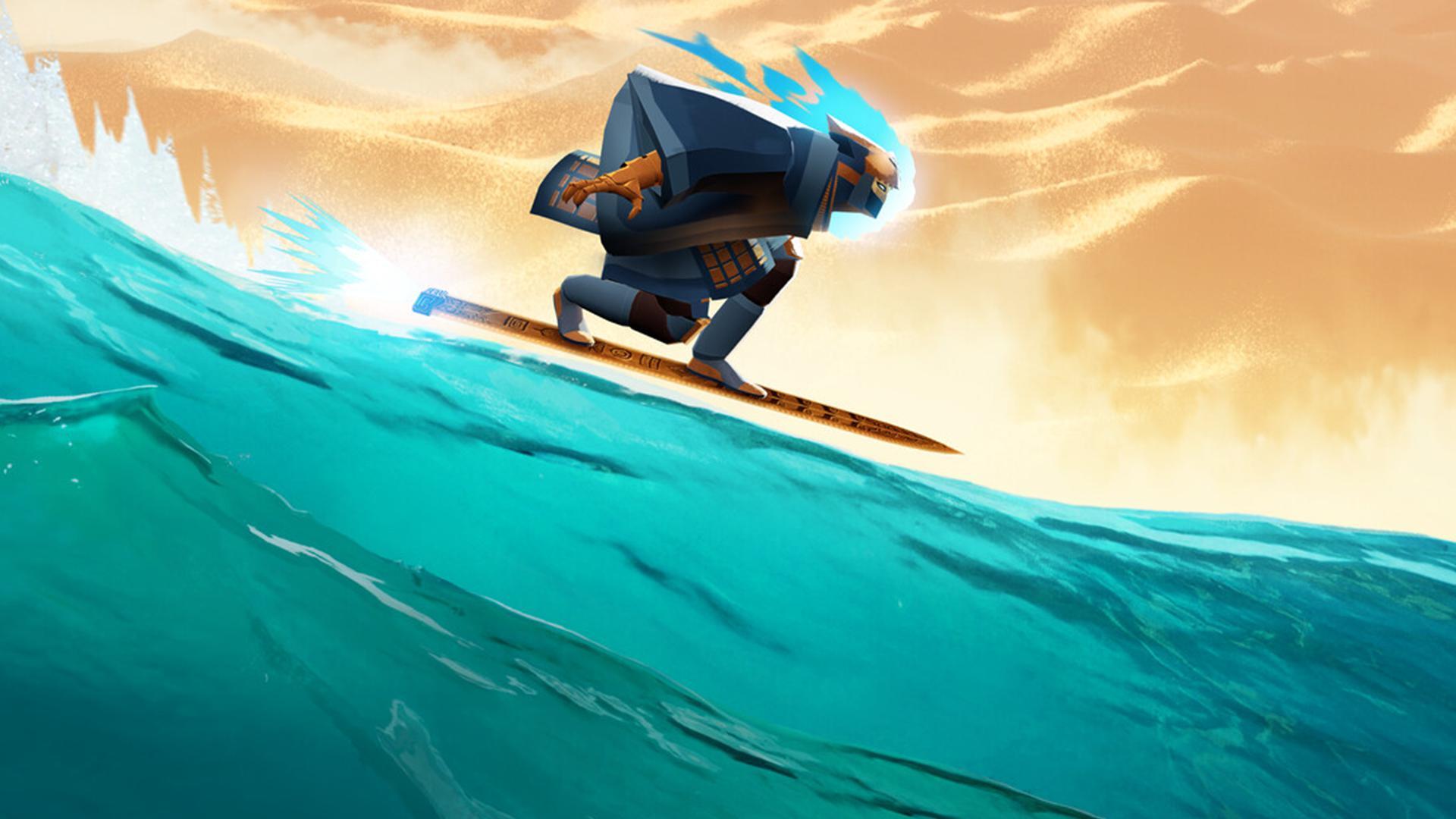
Giant Squid's at the height of their flow-state powers — Sword of the Sea is sand-surfing as meditation, and Wintory's score makes every dune feel monumental.
Steam popularity
Shared scale — sparklines are directly comparable across both games.
Hollow Knight: Silksong
Jun 2026 peak CCU 13,112 ↑ 16% MoM
All-time peak 462,134
Sword of the Sea
Jun 2026 peak CCU 38 ↑ 90% MoM
All-time peak 493
Key differences
Length and pacing
Silksong is a 40+ hour action gauntlet with dense bosses and upgrades.
Sword of the Sea is a 5-6 hour flow-state experience with minimal combat.
Difficulty curve
Silksong front-loads punishing bosses you'll fight over 30 times before victory.
Sword of the Sea has no fail state; it's about movement mastery and atmosphere.
Combat vs traversal
Silksong's combat is precision platforming and nail-clashes against giant bugs.
Sword of the Sea's traversal is skateboard-like surfing with no enemies to fight.
Which one is for you?
Pick Hollow Knight: Silksong if
- You sank dozens of hours into Hollow Knight's Pantheon of Hallownest.
- You want a punishing-but-fair challenge with 30+ boss attempts.
- You love 2D action games with deep upgrades and hidden secrets.
Pick Sword of the Sea if
- Abzû and The Pathless were your favorite meditative experiences.
- Austin Wintory soundtracks alone justify a day-one purchase.
- You prefer a short, beautiful experience over a 60-hour grind.
Bottom line
Choose Silksong if you want a metroidvania marathon; choose Sword of the Sea for a meditative afternoon — they serve opposite moods and time budgets.